Welcome to Property Hero
Our love for cleaning comes shining through!
Jun 23, 2026
How to Choose the Best High Pressure Cleaning in Central Coast
How to Choose the Best High Pressure Cleaning in Central Coast
Choosing the right pressure cleaning contractor matters. The difference between a careful, professional job and a rushed or inappropriate approach can be surface damage, faster return of mould and algae, or unsightly streaks. This guide explains what high pressure cleaning is, when it’s the right choice (and when soft wash is safer), what to look for in quotes, local Central Coast considerations and practical questions to ask any contractor.
What is high pressure cleaning — and how does it differ from soft wash?
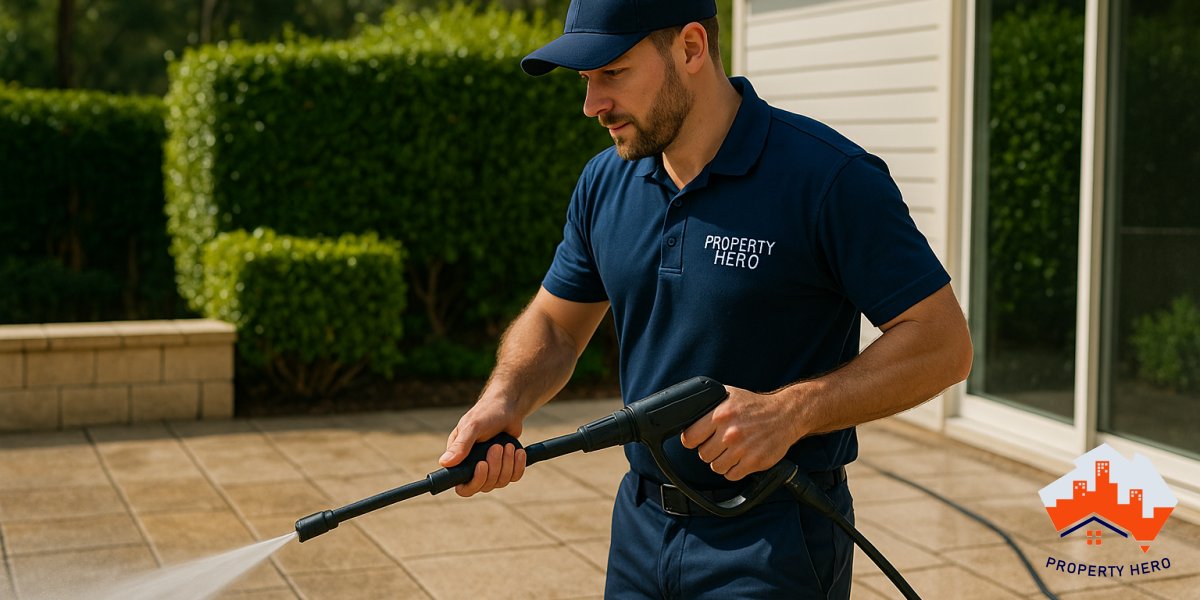
High pressure cleaning (often called pressure washing) uses water delivered at high pressure to remove dirt, mould, algae, oil and other soil from concrete, pavers, hard timber, metal and some types of cladding. Soft wash uses low pressure combined with detergents and biocides to safely remove organic growth from fragile surfaces like older roof tiles, painted timbers and some gutters.
Key takeaways:
- High pressure cleaning = mechanical force (suitable for concrete, driveways, tough stains).
- Soft wash = chemical + low pressure (safer for roofs, weathered timber, painted surfaces).
- A good contractor will recommend the right method for each surface rather than applying a one-size-fits-all approach.
Common jobs on the Central Coast
- Driveway cleaning and concrete/paver restoration
- House washing and external wall cleaning
- Roof cleaning (often with soft wash techniques)
- Deck cleaning and timber sanding preparation
- Gutter cleaning and downpipe flush
- Strata common area cleaning and commercial exteriors
- Oil and grease removal from garage floors and service areas
Pressure cleaning basics — terms to know
- PSI (pounds per square inch) — indicates the working pressure. Higher PSI gives more force but can damage delicate materials.
- Flow rate (L/min) — measures how much water is delivered; affects rinsing and cleaning speed.
- Nozzle types — different spray angles and patterns change cleaning intensity.
- Hot vs cold water — hot water systems can remove grease and oil better; cold water is common for general cleaning.
- Biodegradable detergents — commonly used with soft wash and for improving results on organic stains.
When to use high pressure vs soft wash
Use high pressure cleaning for robust surfaces: concrete, pavers, rendered walls and hard metals. Choose soft wash for roofing tiles, older or painted timber, and delicate architectural features. If you’re unsure, ask for a site inspection — reputable providers will explain their chosen method and why.
What a professional job should include
- Site inspection — on-site or photo-based assessment to scope the job.
- Method description — high pressure or soft wash, equipment PSI range, and detergents to be used.
- Protection measures — covering plants, securing loose fittings and protecting glass, electrical outlets and outdoor furniture.
- Wastewater/run-off management — how run-off will be captured or minimised and whether biodegradable detergents will be used.
- Clear quote — itemised areas, any preparatory work, exclusions and estimated time.
Cost factors to expect in quotes
There’s no single national price — Central Coast costs depend on:
- Surface type and total area (concrete vs roof tiles vs timber decking)
- Level of soiling (light dirt vs heavy mould, lichen or oil)
- Access and height (ladders, scaffolding or confined spaces increase time and cost)
- Water source and flow requirements (mains vs tank water)
- Detergents and biocides required
- Any repairs, sealing, or additional finishing (anti-graffiti coatings, sealing pavers)
Most reputable cleaners provide on-site or photo-based quotes that itemise these elements rather than offering a flat figure. If you want a tailored estimate from Property Hero PTY LTD, you can book an inspection.
How to compare quotes — a practical checklist
When you have multiple quotes, compare them using this checklist:
- Is the scope clearly defined? (areas included, exclusions)
- Does the quote state the method (high pressure vs soft wash) and equipment specs?
- Are detergents named or described (biodegradable, PH-balanced)?
- How will wastewater/run-off be managed?
- Is there a timeframe and any disruption noted?
- Does the contractor provide references, photos or case studies? (see case studies)
- Do you feel confident in the contractor’s explanation of risks and protections?
Questions to ask before you book
- Which method is best for my surfaces — high pressure or soft wash?
- What PSI and flow rate will you use on each surface?
- What detergents or biocides will you apply, and are they biodegradable?
- How will you protect plants, windows and outdoor fittings?
- How will you handle wastewater and run-off? Are there council rules I should know about?
- Can you provide references, before & after photos or case studies?
- Do you have public liability insurance? (ask to see evidence)
Local considerations for the Central Coast
The Central Coast environment affects cleaning choices: coastal salt spray can accelerate corrosion, shaded or moist areas encourage mould and algae, and local councils may have rules about chemical discharge and wastewater. If your property is near the coast or in a strata scheme, discuss these specifics with providers so they can plan run-off control and material-appropriate treatments.
Safety and environmental best practice
Good contractors follow simple but important practices:
- Protect plants and soft landscaping with covers or by rinsing with fresh water after cleaning.
- Control run-off by using containment mats, capture units or directing water to garden areas where permitted.
- Use biodegradable detergents and describe their expected environmental impact.
- Avoid high-pressure blasting on fragile roofing or weathered timber — opt for soft wash instead.
Property Hero PTY LTD applies plant protection, run-off control and uses biodegradable detergents where appropriate, and will explain the method in each quote for jobs across the Central Coast and New Castle.
Maintenance tips after pressure cleaning
- Seal porous surfaces (pavers, exposed aggregate) within a few days to prolong results.
- Keep gutters and downpipes clear to reduce moisture build-up that promotes mould.
- Trim back dense shade to reduce algae regrowth on walls and roofs.
- Consider regular maintenance washes — frequency depends on exposure and materials.
What Property Hero can do for you
Property Hero PTY LTD provides residential and commercial cleaning services across the Central Coast and New Castle, including high pressure cleaning, roof cleaning (soft wash where required), driveway cleaning, house washing, gutter cleaning, strata cleaning and floor scrubbing. We recommend an on-site or photo-based inspection so the quote can itemise surfaces, methods and any protection measures.
See examples of real projects at our case studies page and read common questions on our FAQ page.
Checklist — before you book
- Obtain written quotes with method details and itemised areas.
- Ask for references, photos or case studies for similar work.
- Confirm wastewater/run-off management and use of biodegradable detergents.
- Ask for evidence of insurance and any relevant experience on similar surfaces.
- Agree on a pre-clean checklist (vehicles moved, plants covered, pets secured).
FAQs
- How much does high pressure cleaning cost in Central Coast?
- Costs vary by job size, surface type, access and severity of soiling. Rather than a flat figure, most reputable cleaners provide on-site or photo-based quotes that itemise surface area, preparatory work, detergents and any repairs or sealing. Contact providers for tailored quotes.
- Is high pressure cleaning safe for my roof and timber deck?
- High pressure can damage fragile surfaces like old roof tiles and soft timber. For roofs, soft wash or low-pressure techniques combined with appropriate cleaners are often recommended. Always ask for a site inspection and a description of the method the contractor will use.
- How long does pressure cleaning take?
- Duration depends on area size and job complexity. A small driveway or patio may take an hour or two, while a whole-house wash, roof cleaning or strata common area will take longer. Your provider should give an estimated timeframe with the quote.
- Do I need to prepare my property before the cleaner arrives?
- Yes — common preparations include moving vehicles and outdoor furniture, covering sensitive plants or removing pot plants, and securing pets. Your contractor should provide a short pre-clean checklist.
- Will pressure cleaning remove mould and algae permanently?
- Pressure cleaning removes visible mould and algae but re-growth can occur if underlying moisture and shade issues remain. Follow-up treatments, sealing or improving drainage and sunlight exposure help prolong results.
- What should I look for in a quote for high pressure cleaning?
- Look for clear scope (areas included), method (high pressure vs soft wash), equipment specs or PSI range, chemicals/detergents named or described, waste water management, estimated time, any exclusions, and contact details for follow-up. If unsure, ask for references or case studies.
Conclusion and call to action
Choosing the right pressure cleaning contractor on the Central Coast comes down to matching the method to the surface, confirming how run-off and plant protection will be managed, and comparing clear, itemised quotes. If you want a no-obligation inspection and a tailored quote, Property Hero PTY LTD provides high pressure cleaning, soft wash roof cleaning and a range of residential and commercial services across the Central Coast and New Castle.
Ready to compare quotes or book an inspection? Get a no-obligation on-site quote from Property Hero: book online, call 1300 835 052 or email [email protected]. For questions or examples of our work see our case studies or visit our Contact Us page.
For more resources and articles about caring for your property, visit our blog or learn more about Property Hero.